GPT-5.6, Grok 4.5, Claude, and Muse Spark build the same 4 apps
GPT-5.6's new Sol, Terra, and Luna tiers go head-to-head with Grok 4.5, Claude, Meta's Muse Spark, and the open-weights crew on a raycaster, a Rubik's cube, a calculator, and Game of Life. Here's every build, with cost and latency.

Our last build-off hit the Hacker News front page, and the comments did not hold back. Fair enough, a lot of it was good feedback. So we took it, and with GPT-5.6 landing in three tiers (Sol, Terra, Luna) and Meta surprise-dropping a coding model (Muse Spark 1.1), we ran the whole thing again, bigger: twelve models, four apps, five attempts each.
What we changed based on your feedback:
You wanted open-weights models in the mix. So we added GLM-5.2, Qwen 3.7 Plus, DeepSeek V4 Pro, and Kimi K2.6 as comparison points, all served via Fireworks.
One attempt was weird, you said. Agreed. Every model now gets five attempts per task. Up top you get one sample run per model; each task table then says how many of the five we thought actually succeeded (and how we counted) and links the attempt we liked best; and every attempt is linked at the bottom so you can see how much these models swing run to run.
"This isn't objective." Correct, and we are not pretending it is. We are not handing down a scientific verdict. We generated a big pile of artifacts, we are publishing all of them, and you can form your own opinion. Everything below is just our observations from watching the results.
Want to skip straight to poking at the raw builds? Jump to every attempt and run them yourself.
The lineup, twelve strong: the new GPT-5.6 Sol, GPT-5.6 Terra, and GPT-5.6 Luna; Meta's Muse Spark 1.1; Grok 4.5, GPT-5.5, Claude Opus 4.8, and Claude Fable 5; plus the open-weights crew: Qwen 3.7 Plus, DeepSeek V4 Pro, Kimi K2.6, and GLM-5.2.
Here is each task: our pick of the five attempts playing up top, the cost and time for all five just below, and links to every raw attempt at the bottom of the post so you can judge for yourself.
Task 1: Doom-style raycaster maze
First-person raycaster you walk with WASD, shaded walls with depth, floor and ceiling, collision.
How we counted "playable": the only question we cared about was whether you could actually walk through the labyrinth, move and turn. If yes, it counted.
Overall, Claude did worse than we expected here. GPT outperformed every other model, Grok was a genuinely usable alternative at its price point, and Muse Spark was a real surprise on the runs that actually worked.
Task 2: 3D Rubik's Cube (scramble + solve)
Build a colorful, 3D-looking Rubik's Cube with Scramble and Solve buttons that visibly animate the rotations.
How we counted a "clean solve": we scrambled and solved the cube and only counted an attempt if both animations ran smooth, no glitches, no color changes.
Overall, we were surprised GPT underperformed here given its clear 3D lead in the raycaster. Claude did an amazing job again, though it was Fable carrying it with a clean five-for-five, while Opus, oddly, couldn't land a single flawless solve.
Play all five of any model live: Grok · Opus · Qwen (swap the number 1-5 for other attempts).
Task 3: Calculator
Digits, operators, clear, equals, correct operator precedence, real calculator look.
How we counted "working": nothing exhaustive, just basic calculations like (((5 × 5) − 100) / 10) to see how each one handled order of operations and rendered the result.
Overall, this was clearly Claude's best work: both Opus and Fable nailed all five, and Fable's was our favorite on style. GPT-5.6 Sol tries to go overboard with styles and render the calculator in 3D similar to Fable. However, it doesn't nail the styles, which leads to a worse overall experience. The simpler GPT models seemed to do a better job just because the experience worked out of the box. GLM-5.2, reasoning-off, also came back from nine-minute failures to a snappy, fraction-of-a-cent build.
Task 4: Conway's Game of Life
Grid canvas, Play/Pause/Step/Randomize/Clear, click to toggle cells, animated generations.
We did not run a separate five-attempt scoring pass on Life, so here it is just cost and time plus the general impression below.
Grok 4.5 did well here, but the bigger takeaway is that this task was simple enough for the OSS models to do extremely well on. There is probably enough open example code for Game of Life out there that they were able to do a much better job at a way lower cost. Qwen 3.7 Plus and GLM-5.2 are clearly the go-to for something like this, but I would not rely on them generally, the other tasks show they still struggle with genuinely novel or more complex work.
The receipts: raw speed and cost (short answers)
Separate question, separate table. This is our standard latency harness (three short prompts, five reps, 400-token cap), not the build tasks. tok/s is output tokens over wall-clock, uniform for all.
One honest caveat: several open-weights buffered their whole reply in a burst and hit the 400-token cap, so their tok/s is a ceiling, not a true decode rate. The clear read: the GPT-5.6 tiers are the snappiest models here on short prompts (Luna answers in about a second), Qwen is absurdly cheap and fast, and DeepSeek and GLM are the slowpokes, which matched the agony of generating their apps.
Bonus: draw a horse riding an astronaut (SVG, best of 5)
One-shot SVG, no libraries. We show each model's best-of-five (we prefer a strictly-valid SVG, then the most detailed).

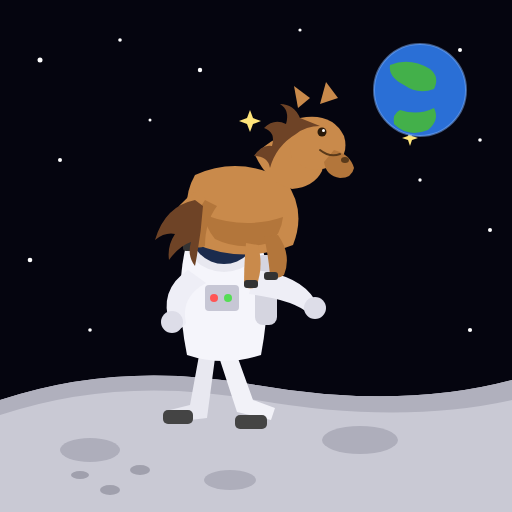
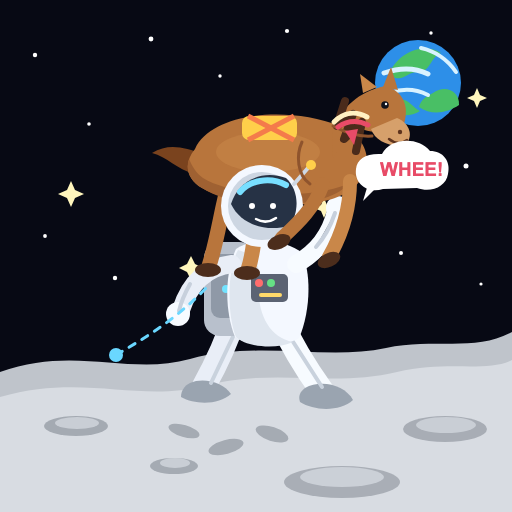


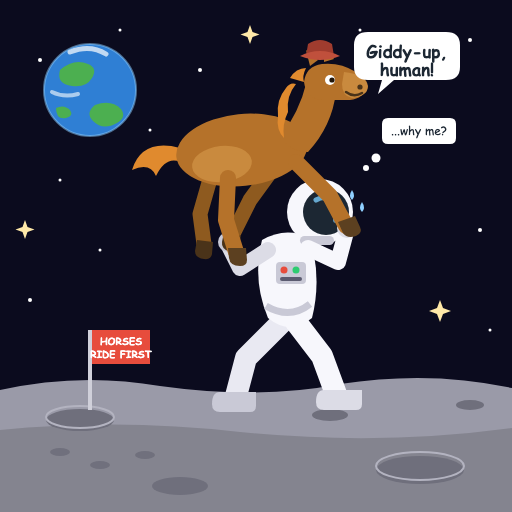


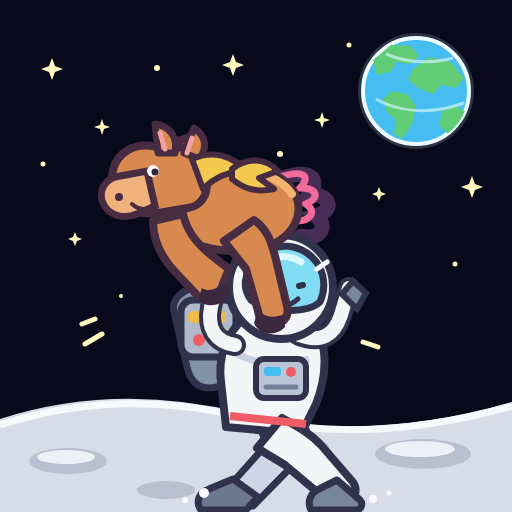
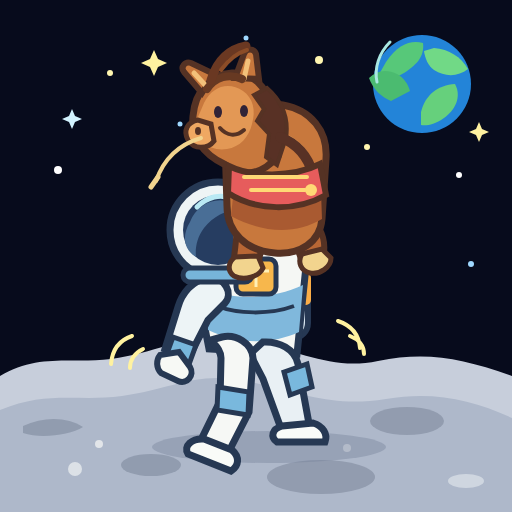

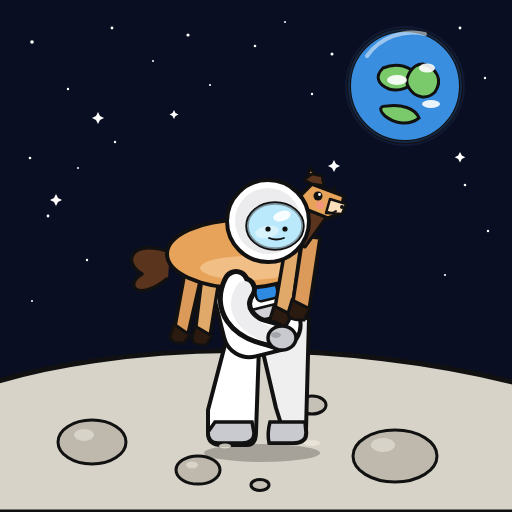
Personally, Claude Fable does a great job with the SVG rendering. It's funny most of the time as well and came up with good quality results. The GPT-5.6 models were surprisingly lackluster here since none of them included clean renderings of the horse or the astronaut. Grok 4.5 did pretty well here as well.
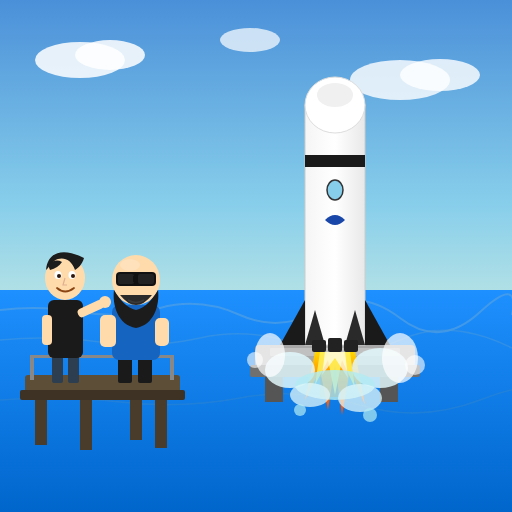
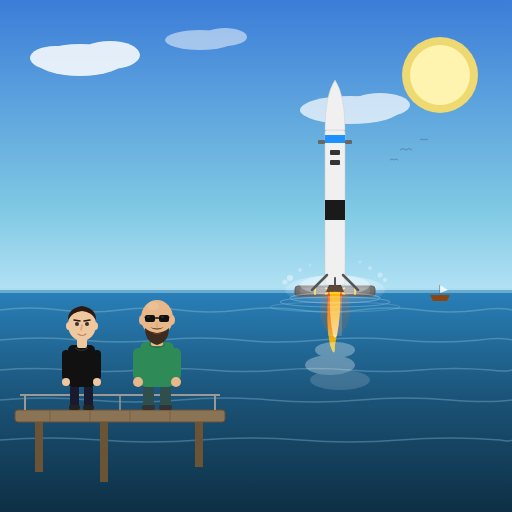
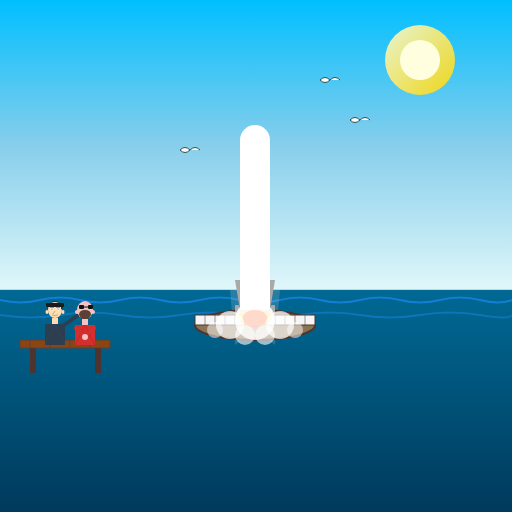
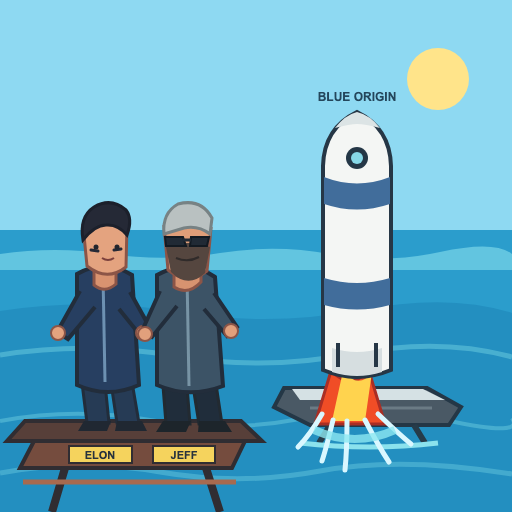
Bonus 2: Elon and Bezos watch a Blue Origin landing (SVG, best of 5)
A harder scene by request: two recognizable tech-billionaire caricatures watching a Blue Origin booster land on a pad in the open ocean. This one leans on composition and likeness. Again, Claude Fable sweeps the field: it produces great detail with a clean render, a shiny spot on Bezos' forehead, and smoke around the landing pad. GPT again produces pretty cartoony results; if that's something you prefer then maybe you can try improving the one-shot results it produces, since there are always some minor errors with the generations. The OSS models, GLM-5.2 and Qwen 3.7, also did really well for this task.








TL;DR
The frontier still wins the hard tasks, and it is not particularly close on the complex ones. GPT-5.6 Sol and Claude Fable 5 were the standouts: Sol excelled at the raycaster, Fable at the Rubik's cube. Everything else did decently, but the best results are still at the frontier.
There is a clear gap between SOTA and open-weights on genuinely novel or complex work, and you can see it in the raycaster and cube. But on a simple, well-trodden task like Game of Life, the OSS models hold their own, there is enough example code out there that Qwen 3.7 and GLM-5.2 nail it at a fraction of the cost. Use them for that class of problem; just do not lean on them generally, because the other tasks show they still struggle with the hard stuff.
Grok 4.5 is genuinely "Opus level" on some tasks. If I cared about cost for my business, I would reach for it as a secondary execution model without hesitation. See Grok 4.5 vs Opus 4.8 and Grok 4.5 vs GPT-5.5.
Muse Spark 1.1 pleasantly surprised me. I was not really expecting much, and it felt a step below Grok 4.5 but generally better than the open-weights. It is a real debut, though not something I would reach for just yet.
The takeaway holds even after launch day: the newest, most expensive flagship is not the automatic winner. Want to run these prompts yourself? Every model here is on one TryAI account, pay-as-you-go. Browse the models and start your own build-off.
Play with every attempt
Every raw build we generated, twelve models times five attempts per task. Click any number to open that exact attempt and poke at it yourself; the swings between attempts are the point.
Raycaster maze
Rubik's Cube
Calculator
Game of Life
Try it yourself
Every model mentioned here is available on TryAI with one account, pay-as-you-go, no subscription.